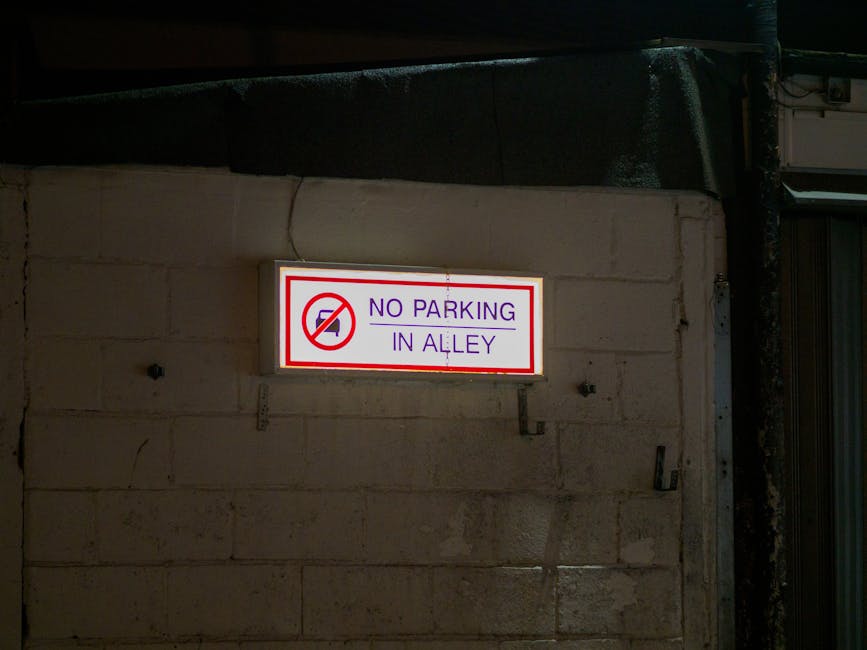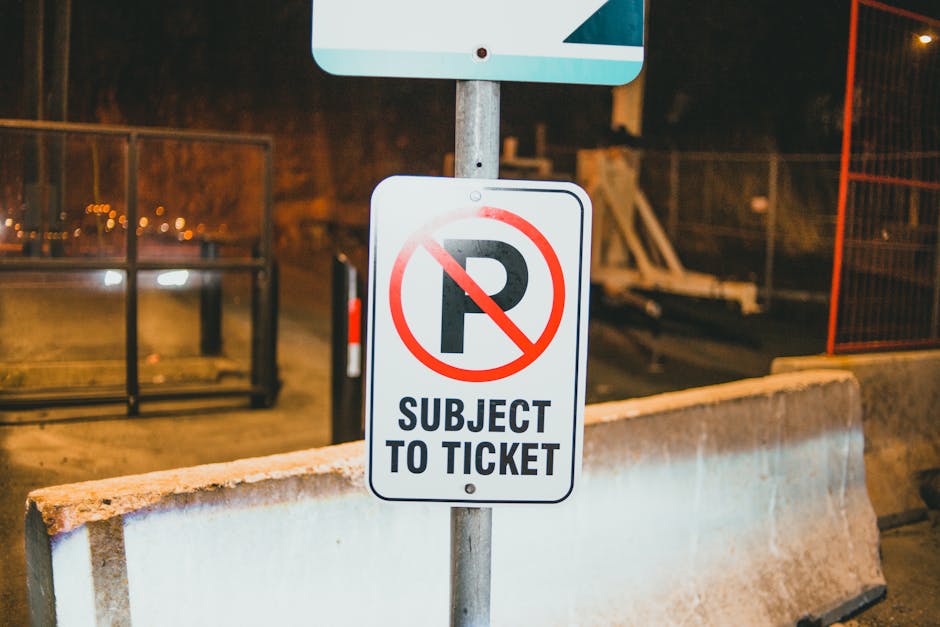
Parking Suspensions & Loading Bay Rules in KT1-KT2
If you are trying to move, deliver, or relocate a business in Kingston upon Thames, parking can be the detail that quietly makes or breaks the day. Parking suspensions & loading bay rules in KT1-KT2 affect where a van can stop, how long it can stay, and whether your crew can work without constant interruptions. Miss the rules and you can end up circling the block, blocking traffic, or losing precious time while a bay sits unusable. Get them right, and the whole job tends to feel calmer from the first lift to the last box.
This guide breaks down how parking suspensions and loading bays usually work in KT1-KT2, why they matter for removals and deliveries, and what you can do to avoid a stressful start to the day. It is written for real situations: a flat move off a busy road, an office relocation in a tight one-way street, or a furniture collection where the loading window feels shorter than it should. Let's make it easier.
Why Parking Suspensions & Loading Bay Rules in KT1-KT2 Matters
KT1 and KT2 include a mix of busy residential streets, town-centre routes, maisonettes, narrow side roads, and commercial addresses where kerb space is never exactly plentiful. That makes parking control more than a minor inconvenience. It affects whether a removal truck can stop close enough to the property, whether a furniture pick-up can happen in one visit, and whether a delivery team can work without creating a queue of frustrated drivers behind them.
A parking suspension is usually a temporary restriction that removes normal parking rights from a specific bay or section of road. In practice, it means that space may be reserved for a particular use, such as works, a move, or access for an authorised vehicle. Loading bays are different. They are designated for loading or unloading, often with time limits or other conditions. Sounds straightforward, doesn't it? In reality, the details matter. A bay may be available only at certain times, or the suspended section may still be used by enforcement officers, contractors, or permit holders depending on the local arrangement.
For moves in KT1-KT2, the main issue is access. If the vehicle cannot stop close to the entrance, the team may need to carry items further, work more slowly, and keep the pavement clear. That extra distance sounds small on paper. On the day, it can feel huge, especially if it is raining, the lift is broken, or the front door is awkwardly placed near a bend in the road.
To be fair, a lot of moving stress comes from parking uncertainty rather than the boxes themselves. One wrong assumption about a loading bay can turn a tidy two-hour job into a messy half-day. That is why understanding the rules before the move is just as important as packing the kettle last.
How Parking Suspensions & Loading Bay Rules in KT1-KT2 Works
The practical side usually comes down to three things: where the vehicle can stop, how long it can stay, and whether the stopping space is genuinely available on the day. In KT1-KT2, that may mean a suspended bay, a shared loading area, or a short stay bay with loading restrictions. Each one has a different purpose, and each one behaves differently under enforcement.
A parking suspension is normally arranged in advance and marked with temporary notices. If a suspension covers a bay near your property, you should not assume the bay is usable just because it looks empty at 7 a.m. Signs and timing control what is permitted, not guesswork. Loading bays, meanwhile, are usually there to support quick turnover. They are intended for active loading or unloading, not for leaving a vehicle while you disappear for tea, passwords, and a chat in the hallway. The bay may allow only a short stop, and sometimes that stop must be continuous and directly linked to the loading task.
There is also a practical distinction between a vehicle that is "present for work" and a vehicle that is merely parked nearby. Enforcement teams are generally interested in what the vehicle is doing. If you are actively moving goods and the vehicle is clearly being used for that purpose, that is different from leaving a van unattended for an extended period. It sounds obvious, but on a busy street obvious things are the first to go missing.
If your move needs a larger vehicle, a moving truck or a flexible man with van setup can help, but only if the vehicle has a lawful place to stop. The same applies to business jobs. An office relocation may need a planned bay or a temporary suspension so equipment can be carried safely and efficiently. For those jobs, an organised service such as office relocation services or commercial moves usually works best when access has been thought through early.
And yes, the rules can feel a bit fussy. But fussy is better than a ticket and a stressed crew trying to reverse out of a road that was never meant for improvisation.
Key Benefits and Practical Advantages
Getting parking suspensions and loading bay arrangements right is not just about avoiding penalties. It changes the whole rhythm of a move.
- Shorter carry distances: The closer the vehicle can stop, the less time people spend walking heavy items up and down the pavement.
- Lower risk of damage: Fewer lifts, fewer turns, and less back-and-forth movement usually mean fewer knocks to furniture and walls.
- Better time control: When access is planned, the job is easier to schedule and less likely to overrun.
- Less disruption to neighbours and traffic: A proper loading plan keeps pavement blockages and random double-parking to a minimum.
- More realistic staffing: If the vehicle is close by, you may need fewer hands on site for the same task.
One often overlooked benefit is morale. A crew that can load smoothly usually works with more confidence. The day feels tidy. People are not dragging wardrobes across a road while checking the clock every five minutes. That calmness matters more than people think.
For households, it can also reduce the number of trips. For business moves, it can protect opening times and avoid turning a relocation into a full-day operational headache. If you are using home moves or house removalists, clear parking access helps the entire schedule make sense.
Who This Is For and When It Makes Sense
This topic matters to far more people than first-time movers. If anything needs loading from a vehicle to a property in KT1-KT2, the parking rules can come into play.
- Households moving from flats, terraces, or managed estates
- Students or sharers with limited front-door access
- Offices relocating desks, IT equipment, or archive boxes
- Retailers and local businesses receiving stock
- People collecting bulky furniture or disposing of large items
- Van drivers working on timed deliveries in tight streets
It makes sense to think about parking controls whenever the vehicle will need to stop close to a restricted or busy kerbside. Even a small job can become awkward if the nearest legal stopping place is several minutes away. If you are using a man and van service, for example, the flexibility can be useful, but only if the van can safely pause where loading is allowed.
There is also a timing question. Morning moves often clash with commuters and school traffic. Afternoon jobs can collide with delivery peaks. Saturday can be easier in one street and worse in another. In other words, there is no one-size-fits-all answer. You have to look at the street, the hour, and the sort of vehicle being used.
If you are only moving a single sofa, you may not need a complex plan. If you are moving a full flat with a narrow stairwell and no front garden, you probably do. Truth be told, this is where many people underestimate the issue.
Step-by-Step Guidance
Here is the practical way to approach parking suspensions and loading bay rules in KT1-KT2 without overcomplicating things.
- Check the address and street layout. Look at where a vehicle would realistically stop. Is there a bay nearby? Is the road one-way? Is there room for a larger van to manoeuvre without blocking a junction?
- Identify the likely loading point. It may not be directly outside the front door. Sometimes the safest stopping place is a short walk away, which should be planned into the move.
- Confirm whether a loading bay is available at the time you need it. A bay can be usable in one part of the day and restricted in another. Do not assume the sign will forgive wishful thinking.
- Check for temporary suspensions or road works. A road that usually works fine can become awkward very quickly if access changes at short notice.
- Match the vehicle to the access. A compact van may suit a cramped road better than a larger truck. For bigger jobs, a removal truck hire option may still be right, but only with careful access planning.
- Build in a buffer. Parking is the sort of thing that can steal ten minutes here and there. Leave some breathing room, because delays tend to arrive in pairs.
- Keep the loading process active and tidy. Use the bay for loading or unloading, not as a waiting spot while everyone has a long debate about where the plug sockets go.
If the job involves packing support as well, planning gets even smoother. A service such as packing and unpacking services can reduce on-site delays, which is especially helpful when bay time is limited.
One practical tip: walk the route from the vehicle to the door before the move starts. You will spot low kerbs, awkward gates, steps, or narrow hallways that are easy to overlook from the van window. Small detail, big difference.
Expert Tips for Better Results
In our experience, the best parking plans are rarely the most complicated ones. They are the ones that anticipate the awkward bits before anyone starts carrying furniture.
- Choose the vehicle around the street, not just the load. A slightly smaller van can be a better decision than a larger one if access is limited.
- Load in the right order. Put the first items you need near the rear door, not buried under blankets and boxes. Saves time. Every time.
- Keep one person focused on access. Someone should always be watching the bay, the signage, and any changes in traffic around the vehicle.
- Use labels that match the floor plan. This matters if items need to come off the vehicle in a specific order and there is little room to pause.
- Stay flexible with the timing. If the street is busier than expected, it can help to begin with lighter items or use a second unloading point.
A small, realistic example: a flat move near a busy Kingston road may start perfectly, then a delivery lorry turns up opposite the bay and suddenly the manoeuvre changes. If the team has planned a second stopping point or a shorter carry route, the day keeps moving. If not, everything grinds. That is usually where the mood shifts a bit, and not for the better.
Another good habit is to confirm access the evening before. A bay that looked clear yesterday may not look clear today. Temporary signs, barriers, or building works can appear overnight. Not glamorous, but helpful.
Common Mistakes to Avoid
Most parking-related move problems come from the same few errors. The frustrating thing is that they are easy to avoid once you know what to watch for.
- Assuming an empty space is legal. It might be suspended, time-limited, or not for loading at all.
- Leaving the vehicle unattended for too long. Even if you are close by, long breaks can create issues if the stop is supposed to be active loading.
- Booking a vehicle that is too large for the road. Bigger is not always better. Sometimes it is just bigger.
- Forgetting about the carry distance. A legal parking spot that is far from the entrance can still slow everything down.
- Ignoring the time of day. A loading bay can be much harder to use at peak traffic times.
- Not checking for local restrictions before moving day. Last-minute discovery is a poor strategy. It feels dramatic, but not in a good way.
One slightly awkward but common mistake is assuming the driver can "just wait a minute." In many streets, that minute is exactly when enforcement, traffic build-up, or a neighbour's delivery arrives. The road has a sense of humour. Usually a bad one.
Another issue is underestimating the paperwork and lead time involved in arranging access. Even where a suspension is possible, it may not be instant. Planning early gives you room to adapt if the first option does not work.
Tools, Resources and Recommendations
You do not need a complicated kit to deal with parking access well. You do need a few simple tools and good habits.
- Printed move plan: Helpful for the driver, the crew, and anyone coordinating access on site.
- Phone contacts for the day: Make sure the key people can reach one another quickly if access changes.
- Floor protection and straps: Useful for quicker loading and safer handling when the stop is brief.
- Clear item labels: Reduce time spent deciding where things go when you only have a short bay window.
- Simple checklist for the street: Bay, signage, route, entrance, stairwell, and backup stopping option.
For larger moves, the vehicle choice matters more than people sometimes expect. If you need a flexible setup, moving truck options can suit bigger loads, while removal truck hire may be useful where capacity and access both need to be balanced. For less complex jobs, a smaller van can be easier to place legally and safely.
It can also help to think about the type of job. A one-off furniture collection is different from a whole-house move, and a small shop delivery is different again. If you are shifting bulky items that need careful pickup, furniture pick-up may be the better fit than a larger relocation plan.
And if you want to understand the company behind the service before you book, you can read more on the about us page. That is often a sensible step before trusting anyone with access-sensitive work.
Law, Compliance, Standards, or Best Practice
Parking suspensions, loading bays, and roadside stopping in the UK are governed by local traffic management arrangements and enforcement practice. The exact details can vary by council area and street, so you should always treat on-street signage and local instructions as the controlling information for the day. In other words, the sign in front of you matters more than anything you remember from a previous move.
From a practical compliance point of view, the main principles are simple:
- Do not stop where signage or restrictions do not permit it.
- Use loading bays for actual loading or unloading activity.
- Keep the vehicle activity aligned with the stated purpose of the stop.
- Allow enough time to move goods without turning the bay into a waiting area.
- Respect temporary suspensions, road works, and any safety barriers.
There is also a common-sense safety angle. Pavements, driveways, and entrances should stay as clear as possible. Heavy items, low visibility, and moving traffic are not a great mix. If a route feels tight, slow the process down and keep communication clear between the driver and the people carrying items.
Best practice is usually better than bare minimum compliance. That means planning access early, matching the vehicle to the street, and keeping the loading process efficient. The move will feel more controlled, and that tends to reduce the little mistakes that create bigger problems later.
Options, Methods, or Comparison Table
Different jobs need different access strategies. Here is a simple comparison that may help you decide what fits best.
| Approach | Best For | Strengths | Limitations |
|---|---|---|---|
| Standard loading bay use | Short, well-timed collections and drop-offs | Simple, efficient, familiar | May be time-limited or busy |
| Parking suspension arrangement | Moves needing reserved curb space | More predictable access | Needs planning and may not suit last-minute jobs |
| Smaller van with flexible stop | Cramped roads and residential streets | Easier to position, often less disruptive | Lower capacity than larger vehicles |
| Large vehicle with planned access | Bulk moves or commercial relocations | Fewer trips, better for large loads | Needs careful access planning and timing |
The best option is usually the one that reduces uncertainty. If the street is tight, a more nimble vehicle may beat a bigger one. If the move is substantial, a larger vehicle is still sensible, but only with proper access planning. No drama. Just matching the tool to the job.
Case Study or Real-World Example
A common KT1-KT2 scenario goes like this. A couple are moving out of a second-floor flat near a busy stretch of road. They have a few wardrobes, a sofa, several boxes, and a narrow entrance hall. At first glance, it looks like a simple van job. But the nearest parking is partly restricted, and the obvious loading spot is often full by mid-morning.
The practical fix is not magic. It is planning.
First, the team checks where the vehicle can legally stop and whether a short loading bay is available at the right time. Second, the load is packed so the largest items come off in the right order. Third, someone keeps watch on the bay while the rest of the crew stays active. The result is fewer pauses, less carrying distance, and a move that feels surprisingly calm. Not perfect, maybe. But smooth enough that everyone can breathe again by lunchtime.
A business move works in a similar way. Imagine an office relocation where desks and monitors need to come out quickly before staff arrive. If the team can reserve access or work around a compliant loading bay, the operation stays organised. If not, people start improvising, and improvising is rarely the friend of punctuality.
That is why a well-run moving plan often starts with the street, not the sofa.
Practical Checklist
Use this checklist before move day. It is simple, but that is the point.
- Confirm the exact address and entrance used for loading
- Check whether the road has loading bays, suspensions, or other restrictions
- Choose the right vehicle size for the street, not just the volume of goods
- Allow extra time for carrying items if parking is not directly outside
- Make sure key people know the loading plan and contact details
- Label items clearly so unloading is faster
- Keep pathways, doors, and stairs as clear as possible
- Prepare a backup stopping option in case the first bay is unavailable
- Check for temporary works, barriers, or changed signage on the day
- Keep the vehicle activity focused on loading or unloading only
If you can tick those boxes, you are already ahead of most rushed moves. And honestly, that little bit of preparation tends to pay for itself in calmness alone.
Get a free quote today and see how much you can save.
Conclusion
Parking suspensions & loading bay rules in KT1-KT2 are not just background admin. They shape how safely, quickly, and legally a move can happen. When access is planned properly, the job feels more controlled, the carry distances stay reasonable, and the whole day is easier on everyone involved.
Whether you are moving a flat, relocating an office, or arranging a one-off collection, the key is the same: check the street, match the vehicle, and plan for the reality of the bay rather than the hope of it. That simple shift can save a lot of hassle.
If you want to explore the service side of moving support, it can also help to look at home moves for residential relocations and contact us when you are ready to talk through access, timing, or vehicle options. A quick conversation now can save a long, awkward day later. And that, to be fair, is worth doing right.
Sometimes the best move is the one that starts with a sensible parking plan.
Frequently Asked Questions
What are parking suspensions in KT1-KT2?
Parking suspensions are temporary restrictions that remove normal parking rights from a particular bay or section of road. They are usually used to reserve space for access, works, or other planned activity. If a suspension applies, you should not treat the space as available just because it looks empty.
Can I use a loading bay during a move?
Often yes, but only if the bay is actually available for loading at that time and you are actively loading or unloading. Time limits and signs matter. A loading bay is not a waiting area, and it is best to keep the vehicle use clearly tied to the moving task.
Do I need to plan parking for a small man and van job?
Usually yes, especially in tight KT1-KT2 streets. Even small jobs can run into trouble if the van cannot stop safely near the property. A man and van service is flexible, but the road still has to work in real life.
How far in advance should I check parking arrangements?
As early as possible. The earlier you check, the more options you have if the nearest bay is restricted or the street is busier than expected. Leaving it until the day before is doable sometimes, but it is not the most relaxing approach.
What happens if the bay is occupied when the vehicle arrives?
You may need to use a backup stopping point or adjust the loading plan. This is why it helps to have a second option in mind. In a busy area, bays can disappear fast, especially around peak traffic periods.
Are parking suspensions the same as loading bays?
No. A suspension temporarily removes parking from a space. A loading bay is a designated area for loading or unloading, usually with conditions attached. They solve different problems, so it helps to know which one you are dealing with before move day.
Can a large removal truck fit into KT1-KT2 streets?
Sometimes, yes, but it depends on the specific street and stopping point. A larger vehicle can work well for big moves, but access should be checked carefully first. If the road is narrow or busy, a smaller vehicle may be the safer choice.
What is the main risk of ignoring loading bay rules?
The main risks are enforcement action, delays, and a more difficult move overall. You can also end up blocking traffic or increasing the carry distance, which makes the job harder for everyone on site.
Do office moves need different parking planning from home moves?
Usually they do. Office relocations often involve more equipment, more people, and tighter timing. That means parking, loading access, and vehicle placement need to be planned with a bit more care. A service such as office relocation services is often a better fit for those jobs.
What should I do if I am unsure about the access plan?
Talk it through before the move. Check the street, the parking restrictions, the bay size, and the likely carry distance. If needed, choose a different vehicle or schedule. Small changes early on are far easier than fixing a bottleneck on the pavement at 8 a.m.
Is it worth using packing support to speed up loading?
Yes, in many cases. Faster, better-organised packing can make the loading stage much smoother, especially where bay time is limited. If the day is tight, packing and unpacking services can reduce stress and help keep everything moving.
Where can I find more help about moving services and planning?
You can look at the wider service information on the site, including about us and the available moving options. If you are ready to discuss the details, the easiest next step is usually to contact us and explain the street layout and timing you are working with.