Kingston Station Removals Parking and Access Tips
If you are moving near Kingston Station, the hard part is not always the lifting. Often, it is the parking, the access, and the tiny timing problems that snowball into a stressful morning. A van that cannot stop close enough, a loading bay already occupied, or a narrow street blocked by school traffic can turn a simple job into a long, awkward wait. This guide to Kingston Station Removals Parking and Access Tips is here to help you plan properly, avoid the obvious traps, and make moving day feel a lot more manageable.
Whether you are relocating a flat, an office, or a few bulky items, the same basic principle applies: know where the vehicle can stop, how long it can stay, and how people and furniture will move between the door and the van. Simple enough in theory. In practice, a little local awareness goes a long way.
Quick takeaway: the best removals near Kingston Station are usually the ones that plan parking before the boxes are packed. If you sort access early, you save time, money, and quite a bit of friction on the day.
Contents
- Why Kingston Station Removals Parking and Access Tips Matters
- How Kingston Station Removals Parking and Access Tips Works
- Key Benefits and Practical Advantages
- Who This Is For and When It Makes Sense
- Step-by-Step Guidance
- Expert Tips for Better Results
- Common Mistakes to Avoid
- Tools, Resources and Recommendations
- Law, Compliance, Standards, or Best Practice
- Options, Methods, or Comparison Table
- Case Study or Real-World Example
- Practical Checklist
- Conclusion
- Frequently Asked Questions
Why Kingston Station Removals Parking and Access Tips Matters
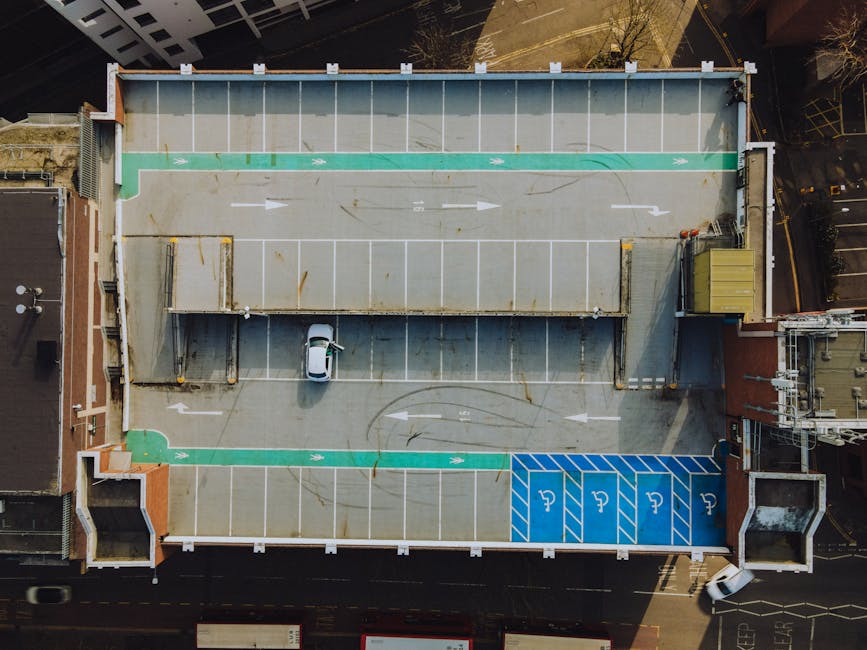
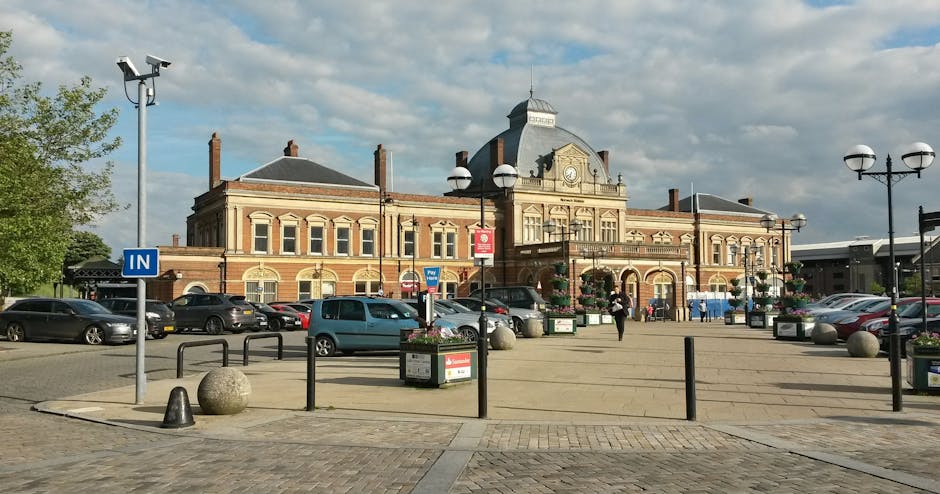
Kingston Station sits in a busy part of town, which means moving vehicles have to compete with commuters, buses, delivery vans, pedestrians, and the usual stop-start rhythm of local roads. That matters because removals are time-sensitive. When a van cannot pull in safely or has to park too far away, everything slows down. Labour time stretches, items get carried longer distances, and the whole day can drift off schedule.
Parking and access are not just logistical details. They affect safety, cost, neighbour relations, and how tired everyone feels by lunchtime. A short carry from the front door to the vehicle is one of the simplest ways to reduce damage risk and keep momentum. A long carry across a busy pavement, by contrast, creates more chances for scraping walls, bumping corners, or getting in someone's way. Not ideal, to be fair.
There is also the question of confidence. When the crew knows where they are going to park, where the lift is, and whether the entrance has steps, they can work faster and more calmly. And that calm is worth something. You feel it immediately.
How Kingston Station Removals Parking and Access Tips Works
Good access planning starts before the van arrives. You look at the property, the road layout, and the vehicle size, then decide how to place the van so loading is efficient and safe. Around Kingston Station, that can mean choosing between roadside stopping, a nearby loading area, a short walk from a side street, or a timed arrival to avoid peak congestion.
In practical terms, the process usually follows a few simple checks:
- Can the vehicle stop legally and safely near the entrance?
- Is there enough room for doors to open fully without blocking traffic?
- Will the route from the property to the van stay clear of steps, tight turns, or shared corridors?
- Are there time restrictions, permit requirements, or site rules that affect stopping?
- Do the belongings require trolleys, straps, blankets, or extra hands because of the distance?
The answer to those questions determines the moving plan. For a small flat move, a man and van service may be enough if parking is straightforward. For larger homes or multi-room moves, a more structured setup using home moving support or house removalists can save a lot of back and forth. And if you are shifting stock, equipment, or desks, the same logic applies to commercial moves and office relocation services.
The main thing is this: access is not an afterthought. It is part of the move itself.
Key Benefits and Practical Advantages
Planning access well gives you more than a tidy loading plan. It improves the whole move from start to finish.
- Less waiting time: The crew can start loading sooner if the vehicle is placed well the first time.
- Lower risk of damage: Shorter carry distances mean fewer chances for scrapes, bumps, and dropped items.
- Better safety: Clear paths reduce the chance of trip hazards, awkward turns, and rushed lifting.
- More predictable timing: When parking is sorted, the schedule is easier to stick to.
- Less stress for neighbours and building managers: A controlled load-in is simply easier for everyone around you.
There is also a quieter benefit people often overlook: better access makes the move feel more professional. The crew looks organised, the packing flow stays steady, and you do not get that chaotic, all-hands-on-deck feeling where someone is always waiting for someone else. That matters, especially if you are moving on a tight timetable.
If you are still deciding what kind of support you need, options like man with van help, moving truck hire, or removal truck hire can be matched to how tricky the access is. Sometimes the right vehicle matters as much as the right team.
Who This Is For and When It Makes Sense
This topic matters if your move involves any kind of access constraint. That could be a flat above a shop, a terrace with limited street space, or a building near the station where roads are constantly busy. It also matters if you are moving during school runs, commuter peaks, or peak delivery hours. Truth be told, the time of day can change everything.
You will find these tips useful if you are:
- moving from a flat or maisonette with limited roadside space
- relocating an office close to the station or along a busy arterial road
- moving furniture that needs a clear door-to-van route
- organising a same-day move where timing is tight
- booking a vehicle and want to avoid permit or access surprises
- trying to avoid neighbour complaints about blocking or noise
It also makes sense for anyone who has ever thought, "The rest looks fine, so parking will probably sort itself out." Usually, it does not. Not on moving day, anyway.
If you want a bit more background on the company side of things, you can also read the about us page and, when you are ready, use the contact page to ask about access concerns before the booking is confirmed.
Step-by-Step Guidance
A careful parking plan does not need to be complicated. It just needs to be done in the right order.
1. Check the property access first
Start at the front door, not the van. Look at the path from the property to the street. Are there steps? A narrow hallway? A shared entrance that people still need to use? If the access route feels awkward on foot, it will feel twice as awkward with a sofa or mattress in hand.
2. Measure what matters
You do not need a full survey for every move, but basic measurements help. Door widths, stair turns, ceiling height on landings, and the distance from the entrance to the likely parking spot all matter. Even a rough count of paces can be surprisingly useful. One of those small, boring tasks that ends up saving the day.
3. Decide what size vehicle fits the job
A smaller van can be easier to place near a station area, especially if roads are tight. Larger trucks are great for capacity, but they need more space to manoeuvre and may struggle where kerbside room is limited. If the vehicle is too big for the street, the move becomes a puzzle nobody asked for.
4. Plan the parking position
Think about where the rear doors or side access will face. Can the crew load directly from the property entrance? Is there a safe place to unload without crossing a live traffic lane? If there is any doubt, choose the simplest and safest position, even if it is not the shortest possible one.
5. Time the arrival sensibly
Near Kingston Station, timing is not a small detail. Early morning may be calmer for road space, but it can also be busy with commuters. Midday may be easier for loading, though local deliveries can pick up. Late afternoon can be messy again. A slightly off-peak arrival is often worth more than trying to be first by a few minutes.
6. Prepare the indoor route
Clear shoes, mats, bikes, prams, and anything else that might sit in the way. Doors should be propped safely open if needed, and communal areas should stay usable where possible. The cleaner the route, the faster the load. Simple as that.
7. Communicate with everyone involved
If you live in a managed building, tell the building manager or concierge about the move. If you are moving from a business premises, tell staff who may need to share the loading point. If you have booked additional support such as packing and unpacking services, make sure the team knows the access plan before arrival. Small misunderstandings cause big delays.
Expert Tips for Better Results
Most access problems are preventable. A few habits make a very real difference.
Tip 1: Always plan for the second-best parking option. The ideal space may already be taken when the van arrives. Have a backup in mind so nobody stands around wondering what happens next.
Tip 2: Keep the carry route dry and clear if you can. A wet pavement, loose gravel, or a slightly uneven step is enough to slow down a team carrying furniture. On a grey Kingston morning, that sort of thing is easy to miss.
Tip 3: Use the right vehicle for the street, not just the load. A large truck may seem efficient, but a narrower road near the station can make it awkward. If access is tight, a smaller vehicle with smart scheduling may be the better choice.
Tip 4: Ask about access before the quote is final. A good removals setup depends on honest information. If there is a basement, a steep stairwell, or a loading restriction, say so early. It is much better to be slightly over-prepared than caught out.
Tip 5: Protect the loading zone. If you are allowed to use a particular bay or stopping point, make sure it is not blocked by bins, scooters, or household clutter. Sometimes you lose ten minutes to the most ordinary little things.
Tip 6: Keep essentials close. Water, keys, phone charger, documents, and any access codes should be easy to reach. Nobody wants to be rummaging through a box labelled "misc" while the van is waiting.
If your move is especially furniture-heavy, a focused furniture pick-up service can be helpful for single items or awkward pieces that need fast loading and minimal fuss.
Common Mistakes to Avoid
Here are the mistakes that cause the most needless stress. You can avoid most of them with a little planning.
- Assuming parking will be available: It might be, but near the station that is not a safe assumption.
- Booking the wrong vehicle size: Too small means extra trips. Too large means access trouble. Neither is ideal.
- Ignoring the walking distance from van to door: Fifty metres does not sound like much until you are carrying a wardrobe panel.
- Forgetting building rules: Some sites have loading windows, concierge procedures, or noise expectations that matter on the day.
- Not telling the movers about steps, slopes, or narrow turns: These details help the crew decide how to lift and what equipment to bring.
- Leaving the route cluttered: A few "temporary" bags in the hallway can become a proper obstruction very quickly.
One more thing. Do not wait until the vehicle has arrived to start thinking about access. That is usually the moment when everyone becomes a bit too polite and a bit too flustered at the same time.
Tools, Resources and Recommendations
You do not need fancy kit, but a few practical tools help a lot.
- Measuring tape: Useful for checking furniture, doors, and turning space.
- Clipboards or notes app: Handy for writing down access instructions, gate codes, and parking details.
- Furniture blankets and straps: These help protect items during a longer carry or a tricky lift.
- Trolley or sack truck: Very useful if the van cannot park directly outside.
- Labels and marker pens: Essential when items need to be loaded in a specific order or delivered to specific floors.
If you are moving an office or business unit, a structured service such as commercial moves can help organise access, packing order, and loading sequence more efficiently. For a larger workplace transition, office relocation services are worth considering because the moving plan often has to fit around staff, IT equipment, and building access windows.
For people who want a more hands-off setup, support from a well-planned home move service or a tailored house removalist team can reduce the amount of coordination you need to do yourself. And if you simply need a truck for a specific load, removal truck hire may be the right fit.
Law, Compliance, Standards, or Best Practice
There are a few compliance and best-practice points worth keeping in mind, especially around parking, loading, and safety. Exact rules can vary by street, building, and local authority process, so it is wise to confirm the details in advance rather than assume.
At a practical level, the main things to respect are:
- Parking and waiting restrictions: Do not assume that a loading stop is allowed just because it is short term. Local restrictions can still apply.
- Building management rules: Flats, managed estates, and offices often have their own booking procedures for lifts, bays, or access routes.
- Safe manual handling: Heavy lifting should be planned properly, with the right number of people and sensible routes.
- Public safety: Pavements, entrances, and communal areas should remain as clear as possible while work is underway.
- Noise and courtesy expectations: Early starts are sometimes necessary, but a respectful approach helps avoid conflict with neighbours or other occupants.
Best practice is usually simple: give the team accurate information, use the smallest practical disruption footprint, and choose safety over speed when the two conflict. That is especially true around busy station areas where there is little room for improvisation.
Options, Methods, or Comparison Table
If you are trying to decide how to handle access near Kingston Station, the table below gives a quick, practical comparison.
| Option | Best for | Strengths | Limitations |
|---|---|---|---|
| Small van | Short moves, tight streets, light loads | Easier parking, more flexible access | Less capacity, may need more trips |
| Large removal truck | Bigger household or office moves | More loading space, fewer trips | Harder to position near busy roads |
| Man and van | Single-room moves, furniture, lighter relocations | Practical, simple, often quick to organise | May be less suitable for complex or large loads |
| Full removals team | Multi-room, family, or business moves | More hands, better for challenging access | Needs more coordination and planning |
In simple terms, if the street is tight, smaller and more flexible is often better. If the load is large but access is decent, a bigger vehicle can save time. The real trick is matching the method to the road, not just the volume of stuff.
Case Study or Real-World Example
Picture a two-bedroom flat move just a short walk from Kingston Station. The property is on an upper floor, the street is busy in the morning, and the nearest parking spot is not directly outside. Nothing dramatic, but enough to make the day awkward if nobody plans ahead.
In a situation like that, the smart approach is usually to arrive a little outside the busiest commuter window, use a vehicle that can stop safely without overcommitting to a too-large space, and clear the hallway before the first box comes down. If there is a lift, it should be booked in advance. If there are steps, the crew should know before they arrive. If the furniture includes a heavy wardrobe or a sofa that barely fits through the landing turn, that needs flagging early.
What tends to happen when this is handled well? The van parks once. The team unloads in a steady rhythm. Nobody shouts across the pavement. And the move, while still a move, feels under control. That is the goal, really. Not perfection, just less chaos.
We have seen the opposite too: no plan for parking, no warning about a blocked entrance, and someone discovering the loading point was occupied just as the clock started ticking. That version is not fun. It rarely is.
Practical Checklist
Use this checklist before moving day. Print it, save it, scribble on it. Whatever works.
- Confirm the move date and estimated arrival time.
- Check whether parking or stopping near the property is likely to be restricted.
- Measure doorways, stair turns, and any awkward furniture pieces.
- Tell the crew about steps, lifts, and long carry distances.
- Clear hallways, entrances, and the route to the loading point.
- Arrange any building access codes, permits, or loading instructions in advance.
- Decide which vehicle size is most realistic for the road and the load.
- Keep essentials, documents, and keys separate from packed boxes.
- Warn neighbours or building managers if appropriate.
- Prepare a backup parking option in case the first choice is unavailable.
When all of that is done, you are already ahead of the game. Honestly, that is half the battle.
Conclusion
Kingston Station removals parking and access planning may sound like a small part of the job, but it shapes almost everything else. It affects timing, safety, cost, and the general mood of the day. Get the access right and the whole move tends to feel lighter, quicker, and far less annoying.
The key is simple: think like a mover before the mover arrives. Look at the street, look at the entrance, look at the carry route, and make decisions based on real conditions rather than hope. That one habit can save a lot of effort.
If you want a move that feels organised from the first box to the last, start with access. It is one of those quiet little details that makes a big difference when it matters.
Get a free quote today and see how much you can save.
Frequently Asked Questions
Can a removals van park near Kingston Station easily?
Sometimes yes, sometimes no. It depends on the exact street, time of day, and whether the area has stopping restrictions. Near the station, it is wise to assume space may be tight and plan a backup option.
What is the best vehicle size for a move near a busy station?
There is no single best size. Smaller vans are easier to place on narrow streets, while larger trucks suit bigger loads if the road can handle them. The best choice is the one that fits both the property and the parking conditions.
Should I book a removals team before checking parking?
Yes, but you should discuss parking and access as part of the booking. A good quote depends on knowing whether the van can stop close by, whether there are stairs, and how far items need to be carried.
What if there is no space outside my building?
That is common enough. The team may need to use nearby legal stopping space and carry items a little further. In that case, trolleys, straps, and a realistic loading plan become especially useful.
Do I need to tell the movers about steps or lifts?
Absolutely. Steps, narrow landings, broken lifts, and similar obstacles affect both timing and lifting method. Leaving that detail out is one of the fastest ways to create delays.
Is it better to move early in the morning or later in the day?
It depends on traffic and local restrictions. Early starts can work well, but near a station they may overlap with commuter activity. A sensible off-peak window is often the safest bet.
Can parking problems increase the cost of a move?
They can, because extra walking distance and waiting time usually make the job take longer. That does not mean every awkward street will be expensive, but it is fair to say access affects efficiency.
What should I clear before the van arrives?
Clear the hallway, stairs, front entrance, and anything blocking the path to the vehicle. Even a couple of boxes left in the wrong place can slow the whole operation more than you might expect.
Do office moves near Kingston Station need different planning?
Yes. Office moves often involve desks, IT equipment, staff access, and building rules that are stricter than a typical home move. For that kind of job, structured office relocation services are usually a better fit than a purely ad hoc approach.
What if I only need help with one or two large items?
Then a smaller service may be enough. A furniture pick-up or a flexible van-based move can make more sense than booking a larger vehicle you do not really need.
How early should I ask about access details?
As early as possible. The earlier the team knows about parking limits, staircases, or long carry distances, the better they can plan the right crew and vehicle.
Where can I ask for more help or a booking discussion?
If you want to talk through your move, access concerns, or service options, the best place to start is the contact page. A quick conversation can prevent a lot of hassle later on.